
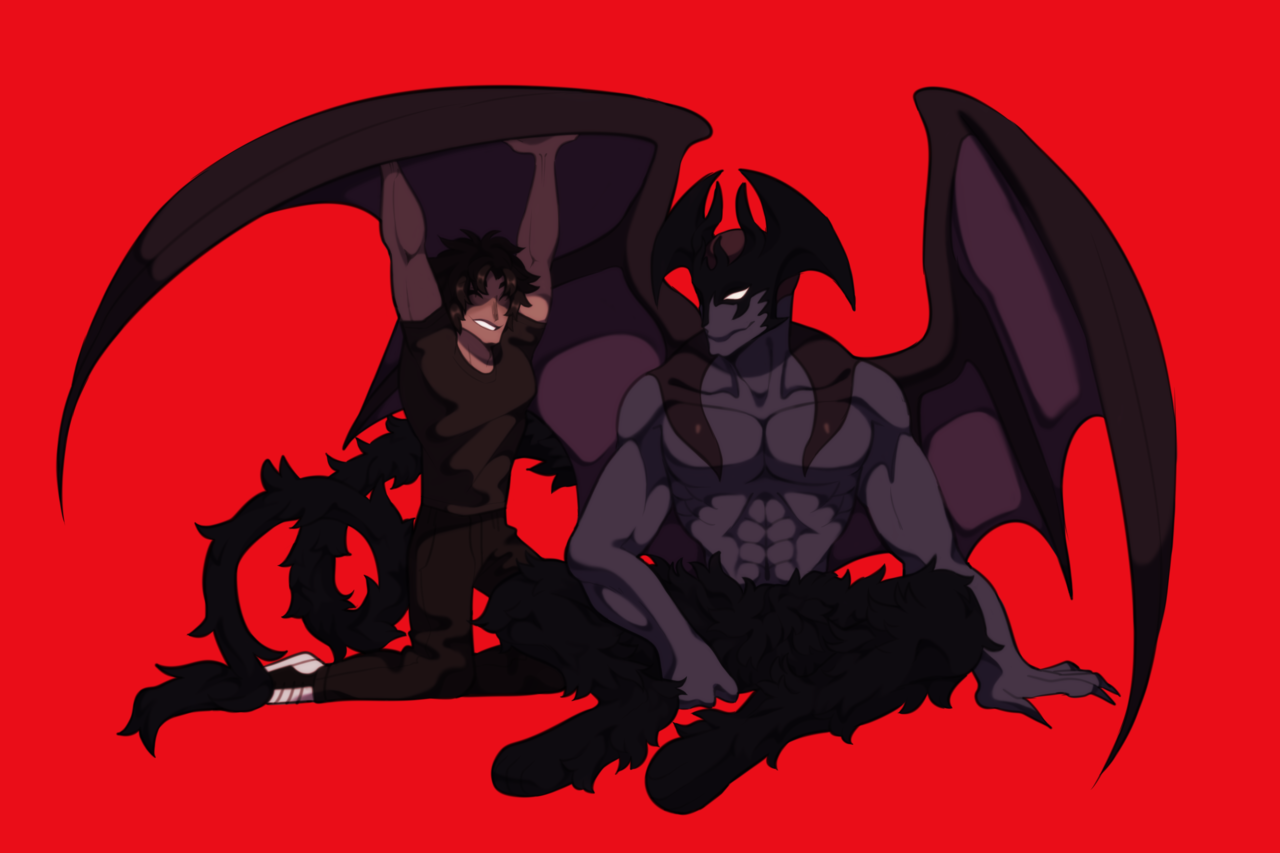
When discussing the darkest anime ever created, Devilman is a title that consistently stands apart. First released as a manga by Go Nagai in the early 1970s and later reimagined in various anime adaptations—most notably Devilman Crybaby—the series is infamous for its brutal tone, disturbing imagery, and uncompromising worldview. Unlike many dark anime that rely on shock value alone, Devilman earns its reputation through profound psychological, philosophical, and emotional devastation.
A Story Where Humanity Is the Real Monster
At its core, Devilman tells the story of Akira Fudo, a kind-hearted teenager who merges with a demon to fight other demons threatening humanity. While this premise sounds like a typical battle anime, Devilman quickly subverts expectations. The true horror is not the demons themselves, but humans driven by fear, hatred, and paranoia.
As society collapses, ordinary people turn against one another with shocking speed. Friends betray friends, families are destroyed, and morality disintegrates. The anime offers a bleak commentary on human nature, suggesting that when stripped of order and empathy, humanity can be more monstrous than any supernatural being.

Relentless Violence With Meaning
Violence in Devilman is raw, graphic, and often deeply uncomfortable. However, it is never gratuitous. Every brutal scene reinforces the story’s central themes: the fragility of civilization and the ease with which cruelty becomes normalized. Unlike conventional action anime where violence leads to victory or justice, Devilman presents violence as futile and corrosive.
This approach makes the darkness feel inescapable. There are no heroic triumphs, no lasting peace—only cycles of destruction that leave lasting emotional scars on both characters and viewers.
Themes of Existential Despair and Nihilism
One of the reasons Devilman remains so unsettling is its philosophical depth. The series explores existential questions about good and evil, free will, and the meaning of love in a doomed world. It challenges the idea of moral absolutes, portraying a universe where righteousness offers no protection and compassion often leads to suffering.
In Devilman Crybaby, these themes are amplified through modern storytelling, experimental visuals, and an emotionally intense soundtrack. The result is an anime that does not simply entertain—it confronts viewers with despair, loneliness, and the fear that hope may ultimately be meaningless.
A Tragic Protagonist With No Escape
Akira Fudo is not a power fantasy hero. He is a tragic figure whose empathy becomes his greatest weakness. As he witnesses humanity’s descent into chaos, Akira’s inability to abandon his compassion only deepens his suffering. His transformation into Devilman does not save him; it condemns him to witness the end of everything he loves.
This lack of redemption is a defining trait of Devilman. The story refuses to comfort its audience, reinforcing its status as one of the darkest anime ever created.
Lasting Impact on Anime Culture
Devilman has profoundly influenced modern dark anime such as Neon Genesis Evangelion, Attack on Titan, and Chainsaw Man. Its legacy lies not just in its shock value, but in its willingness to push anime beyond entertainment into uncomfortable, thought-provoking territory.
Conclusion
Devilman is dark because it is honest—about fear, violence, and the fragile nature of humanity. It offers no easy answers and no happy endings, only a haunting reflection of what people can become when love and reason fail.
👉 If you’re a true Devilman fan and want to celebrate the legacy, characters, and iconic imagery of this timeless series, explore officially inspired apparel, collectibles, and fan-favorite designs at DEVILMAN Store: devilman.store. Discover items that let you carry the spirit of Devilman beyond the screen and into your everyday life.
